Skip to content
VAS Insights

Lubrication in practice

Technical guides for maintenance and reliability teams

Latest articles

10 published articles

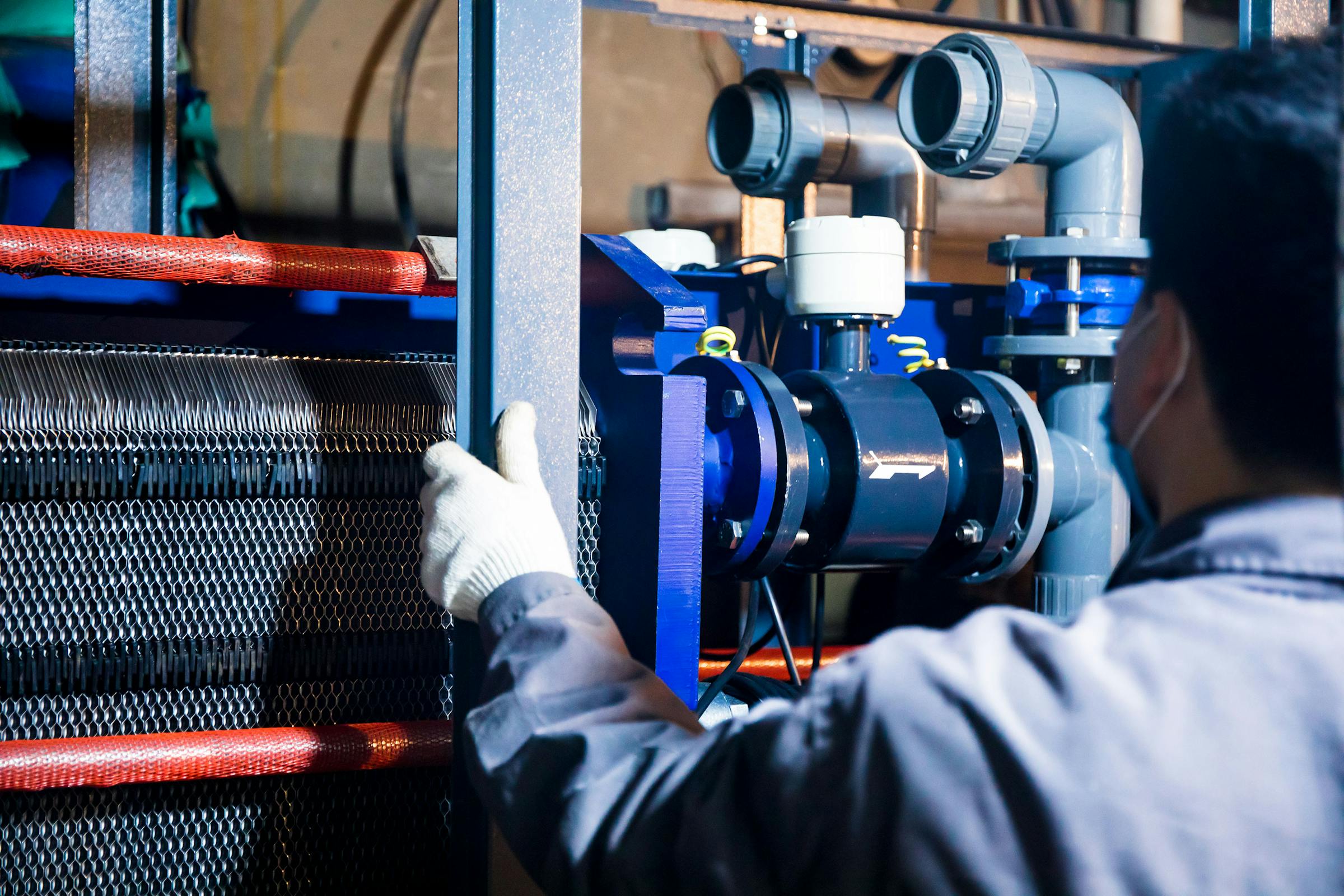
A worker beside industrial machinery and pipework.
Filtration decisionsBy Udey Dhir

The Replacement Filter Fits. Will It Do the Same Job?

The box says “10 micron”. The machine needs a fuller answer: what gets captured, how the oil gets through, and what happens at a cold start.

VAS TRIBO logo and the title Make the Lubrication Route Fit the Technician's Shift. Two bars compare the route as written, beyond the available-time line, with the shorter regrouped route.
Lubrication route managementBy Udey Dhir

Make the Lubrication Route Fit the Technician's Shift

A 56-point route shows where a shift can disappear, and how to recover time without rushing the lubrication or dropping safety steps.
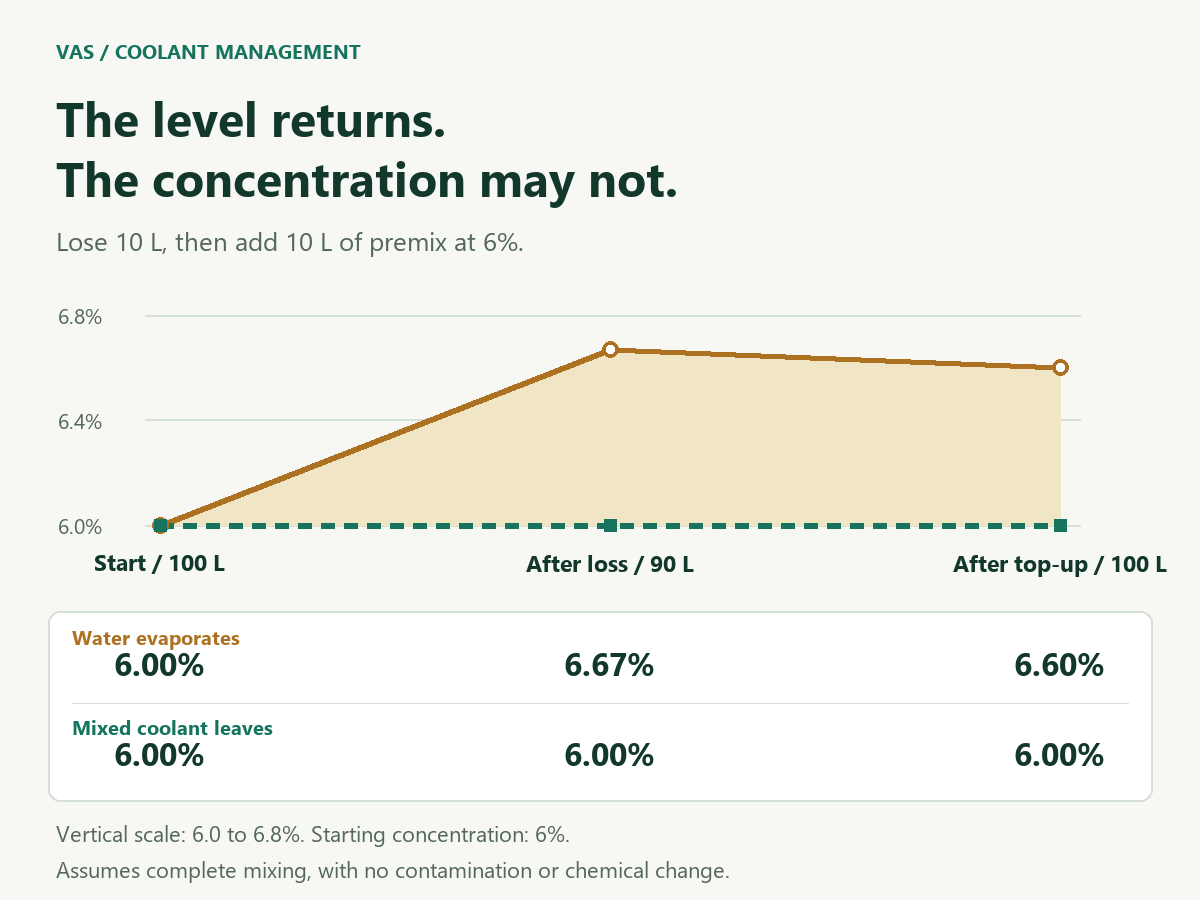
Static concentration chart: after the same 10 L top-up at 6%, a sump that lost water reads 6.60% while a sump that lost well-mixed coolant reads 6.00%. Expanded concentration scale of 6.0 to 6.8%.
Lube & Coolant ManagementBy Udey Dhir

Coolant Concentration Keeps Drifting? Check the Top-Up Routine

What to check, and in what order, when a full sump still reads out of range
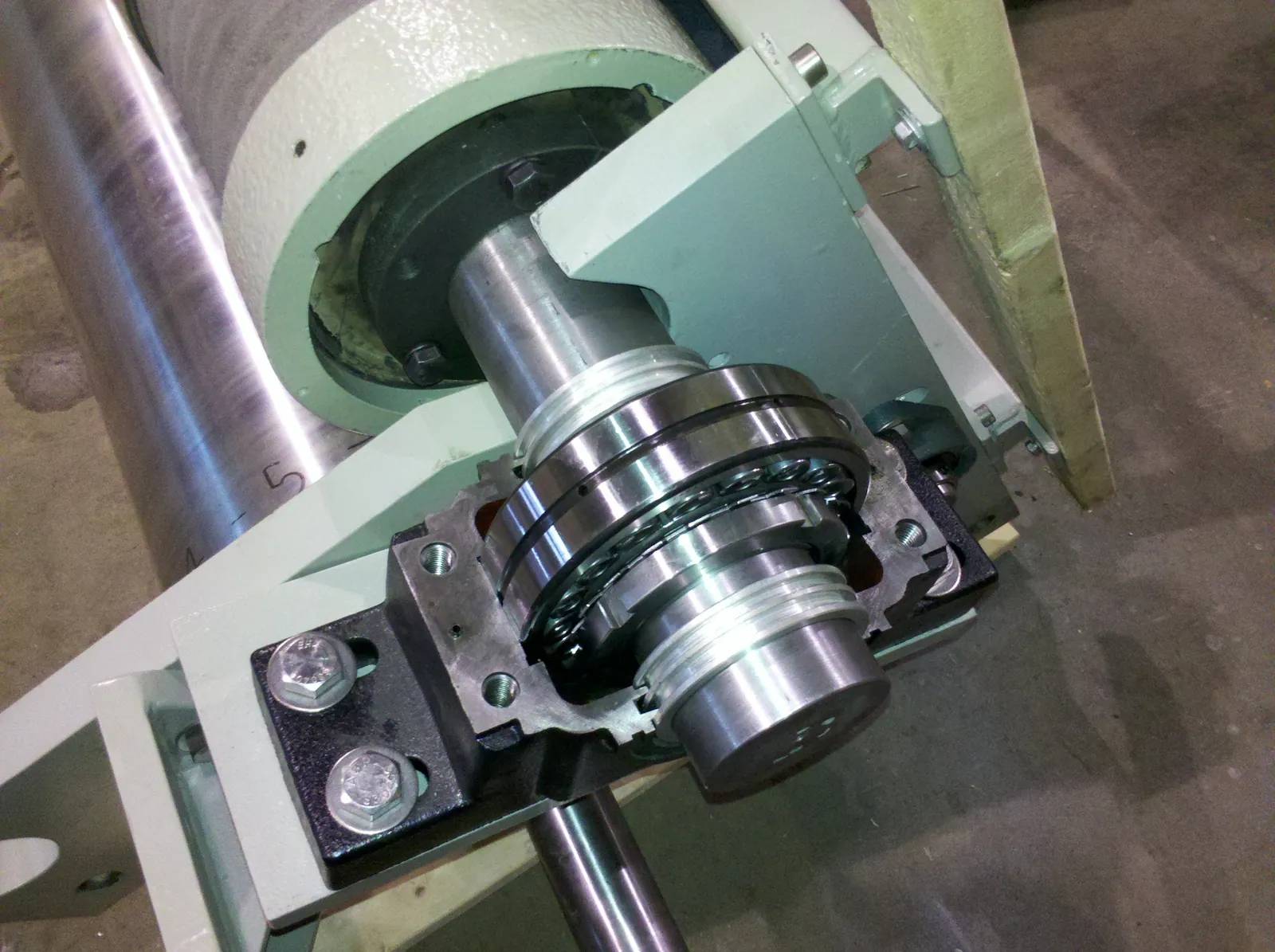
Partially assembled split pillow block without its top cap, showing a self-aligning ball bearing in the lower housing half and labyrinth seal rings on the shaft.
Precision greasingBy Udey Dhir

Same NLGI Grade, Different Grease: Plan the Changeover Bearing by Bearing

A new grease can share the old one's NLGI grade and purchase specification, yet still soften or bleed where the two meet inside a bearing

Two maintenance technicians discussing a work record beside a guarded oil system.
Lubrication managementBy Udey Dhir

A Better Lubrication Handover After Maintenance

Keep the work done, the operating decision and the follow-up check clear for the next shift.
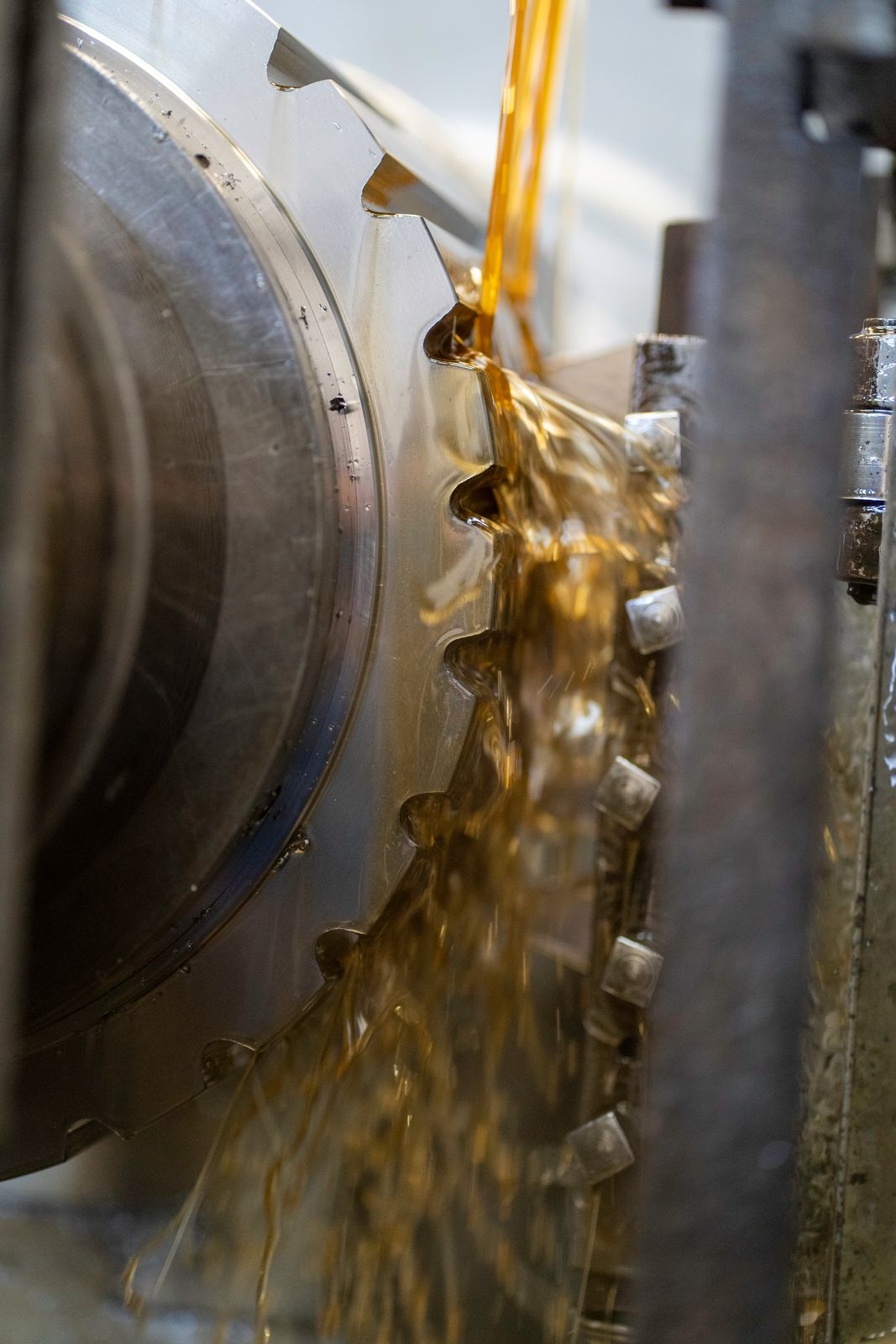
Golden machining fluid flowing over metal gear teeth during manufacturing
Oil system recoveryBy Harminder Singh Pesi

The Oil Was Changed. Why Did the Problem Come Back?

A fresh fill can remove dirty oil while the leak, residue, handling error or wear source remains. Find the cause before planning another change.
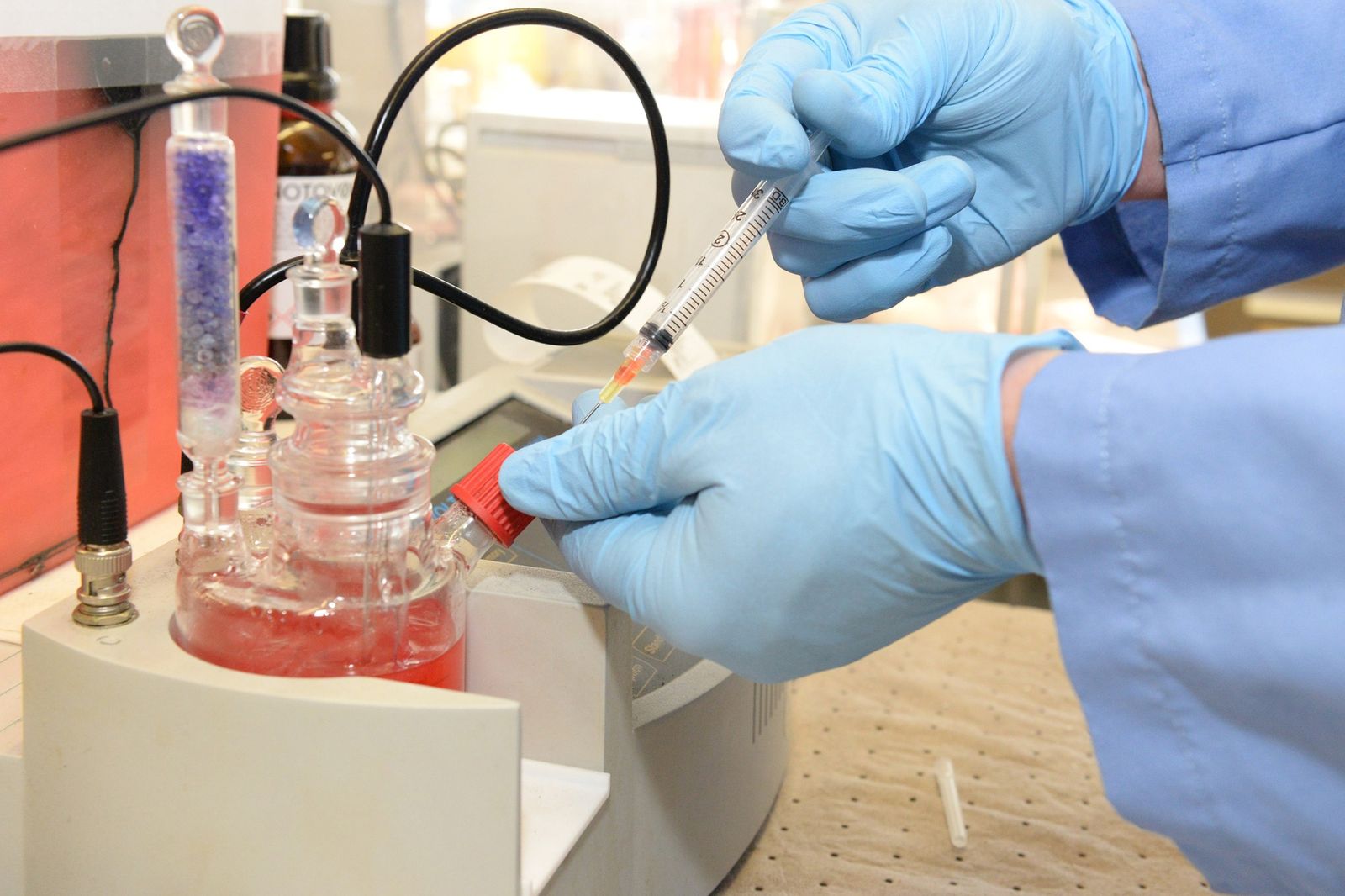
Gloved hands injecting hydraulic fluid into a Karl Fischer titration cell during a laboratory water test
Oil analysisBy Udey Dhir

Oil Analysis: When to Monitor, Investigate or Act

Read the trend, check what the test can tell you, and turn the finding into work someone can close.
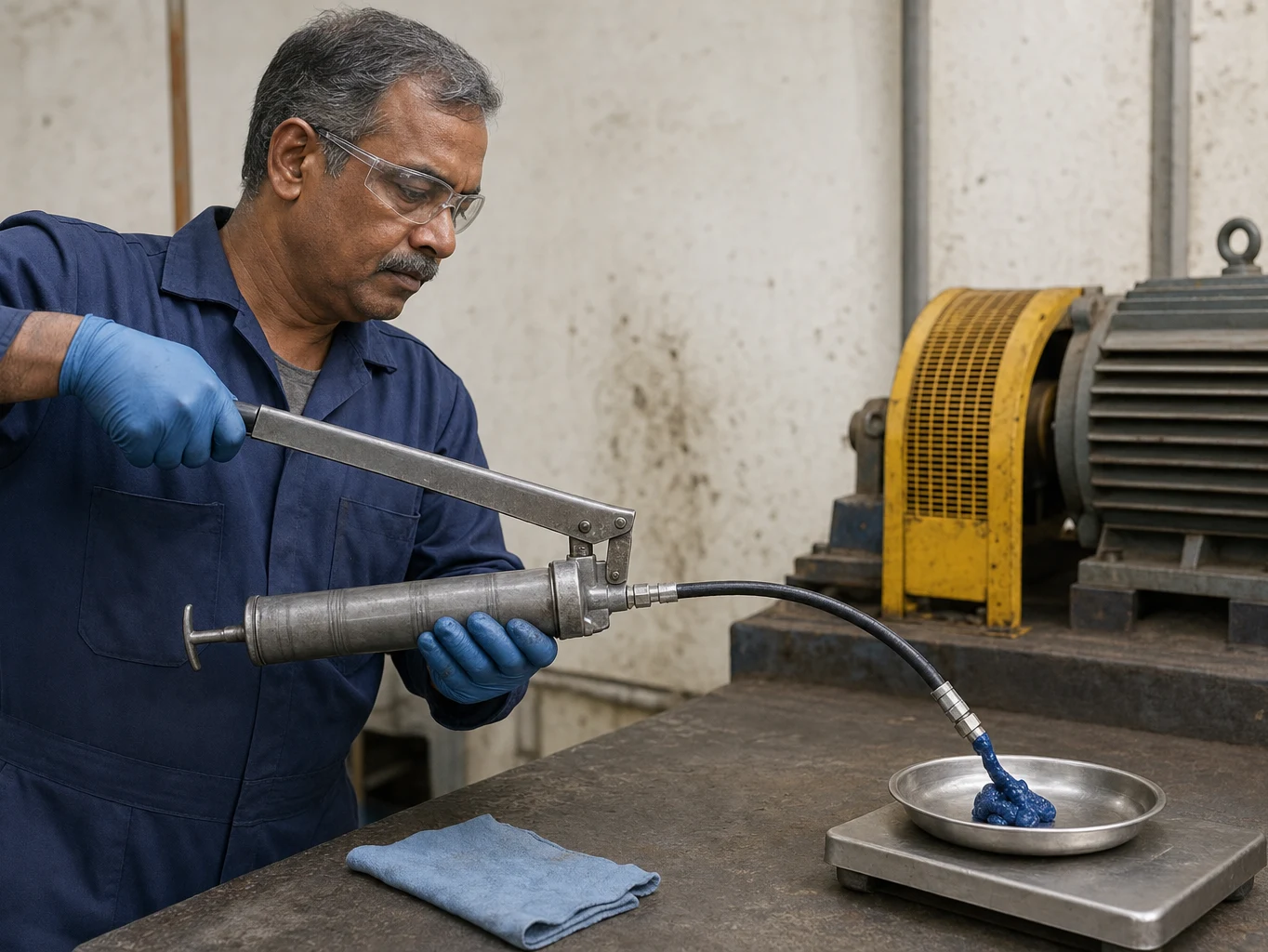
Technician measuring the free output of a manual grease gun into a dish on a workshop scale
Precision greasingBy Udey Dhir

“12 Strokes” Is Not a Grease Quantity

How to measure a gun’s free output, convert an approved dose into full strokes, and test the instruction at the bearing
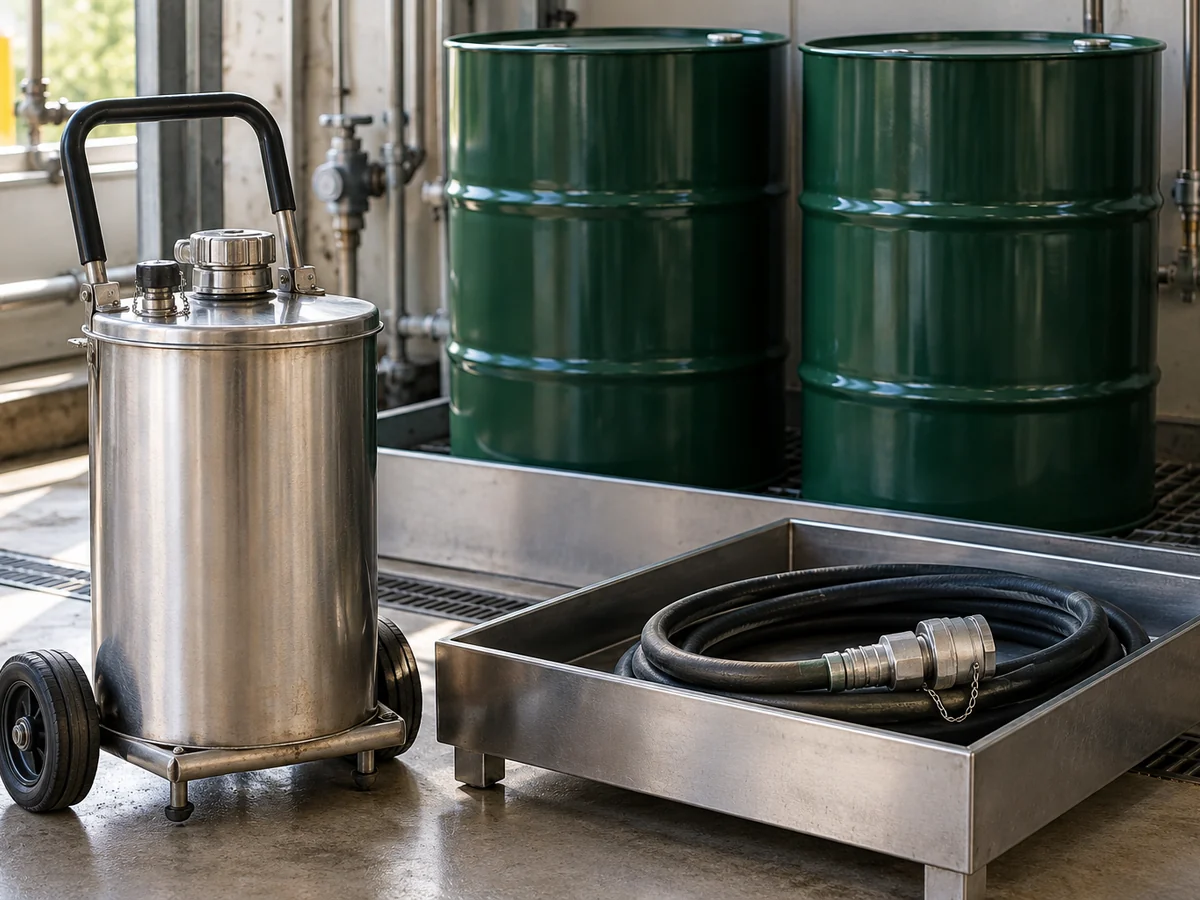
Illustration of closed lubricant drums, a transfer vessel and a capped hose kept off the floor
Lubricant storage and handlingBy Deepika Dhir

Audit the Lubricant Route, Not Just the Oil Room

A field method for checking whether lubricant identity and condition survive every handoff from receiving to the machine

Reliability engineer and lubrication technician checking a written route against a guarded pump
Lubrication program managementBy Udey Dhir

What a 90-Day Lubrication Pilot Must Prove Before You Scale

Use one plant area to verify the machine requirements, field work, condition response, and ownership before expanding the program

What we cover

The questions that show up in real plant work

Program assessmentLubricant storage and handlingPrecision lubricationOil analysisRoutes and proceduresPeople and training
Stay informed

One useful lubrication read, once a week

New articles on lubrication, oil analysis, field execution, and program improvement

One useful email a week. Unsubscribe anytime